
Before You Remodel: How to Design a Bathroom That Adds Real Value
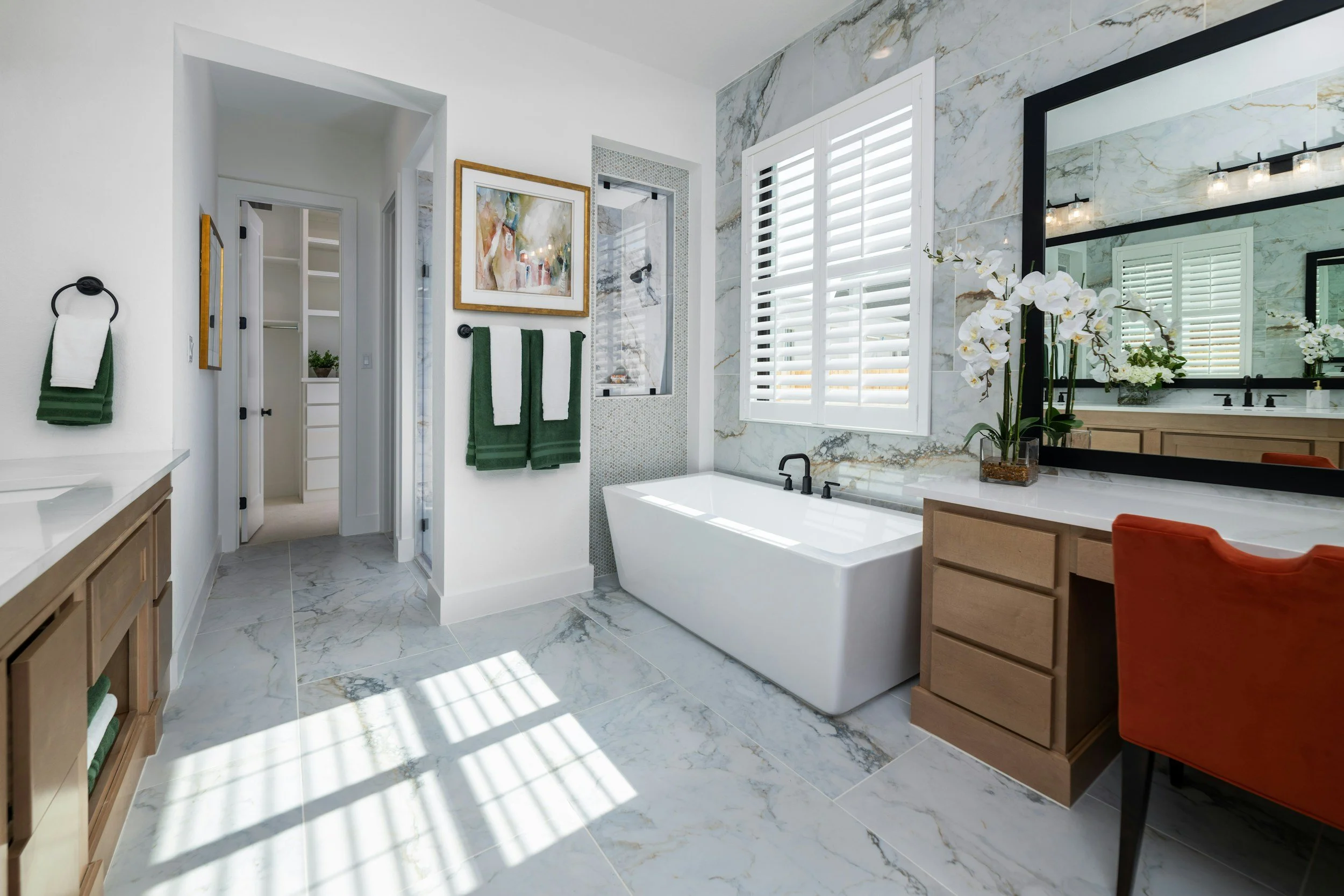
A bathroom renovation is one of the most impactful upgrades you can make in your home — but not all remodels are created equal.
In Toronto’s competitive real estate market, the difference between a standard renovation and a strategic one can mean tens of thousands of dollars in added value. The key isn’t just choosing what looks good — it’s designing a space that blends timeless aesthetics, functionality, and long-term appeal.
Before you start picking tiles or fixtures, here’s how to design a bathroom that not only looks incredible — but adds real value to your home.
1. Prioritize Layout Before Aesthetics
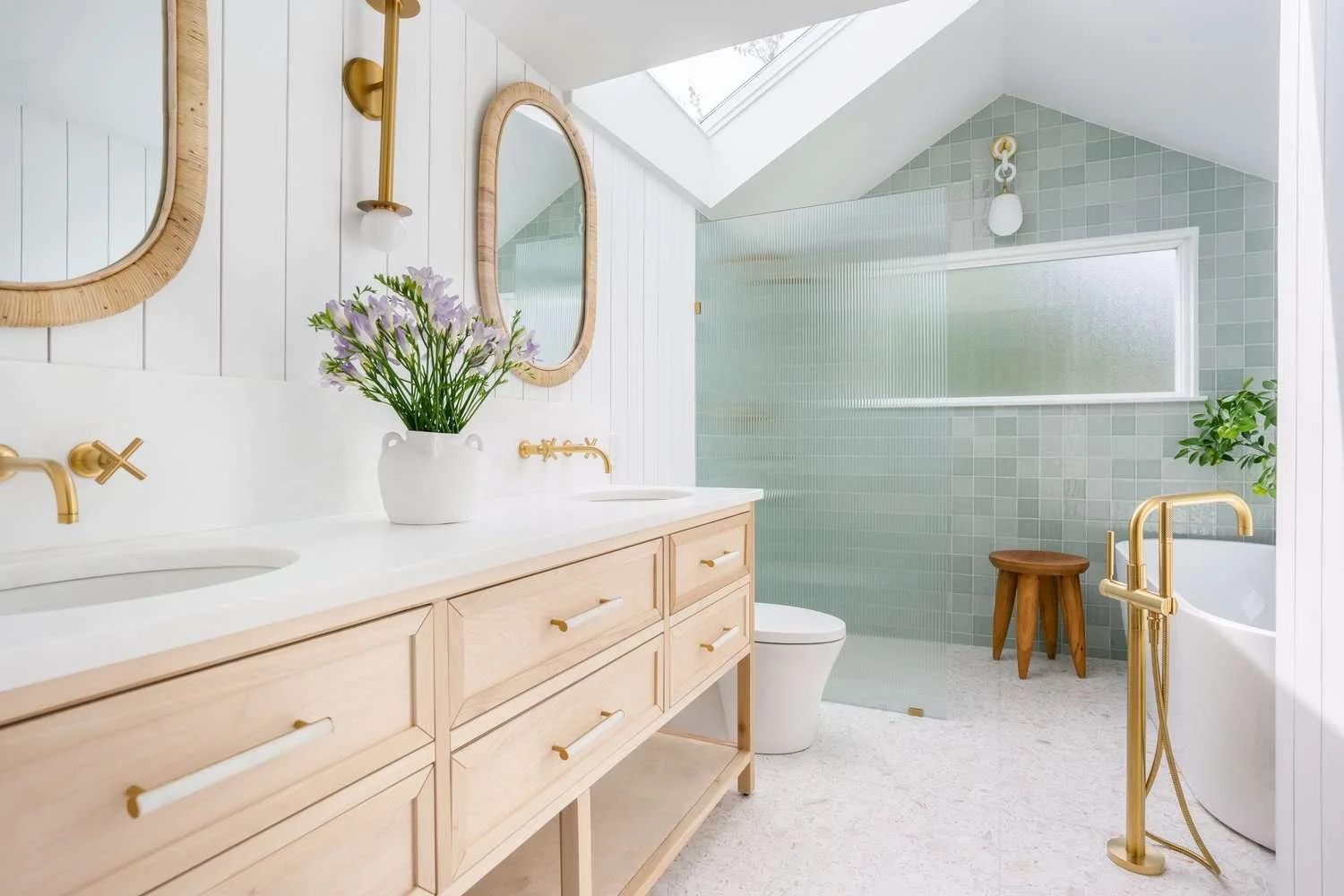
One of the biggest mistakes homeowners make is focusing on finishes before function. A beautiful bathroom means nothing if the layout feels cramped, inefficient, or awkward.
Start by evaluating how the space flows. Can the vanity be repositioned for better movement? Is there enough clearance around the toilet and shower? Would a walk-in shower open up the room more than a bulky tub?
In many Toronto homes — especially older properties — bathrooms weren’t designed for modern living. That means there’s often an opportunity to rework the layout for better usability and perceived space.
If square footage allows, consider upgrading to a double vanity, adding recessed niches in showers, or improving storage without crowding the room. Even small layout changes can dramatically impact how “luxurious” the bathroom feels.
💡 Sempra Insight: Buyers don’t always notice good layouts — but they feel them. A well-planned bathroom instantly feels more expensive, even before finishes are added.
2. Choose Timeless Over Trendy
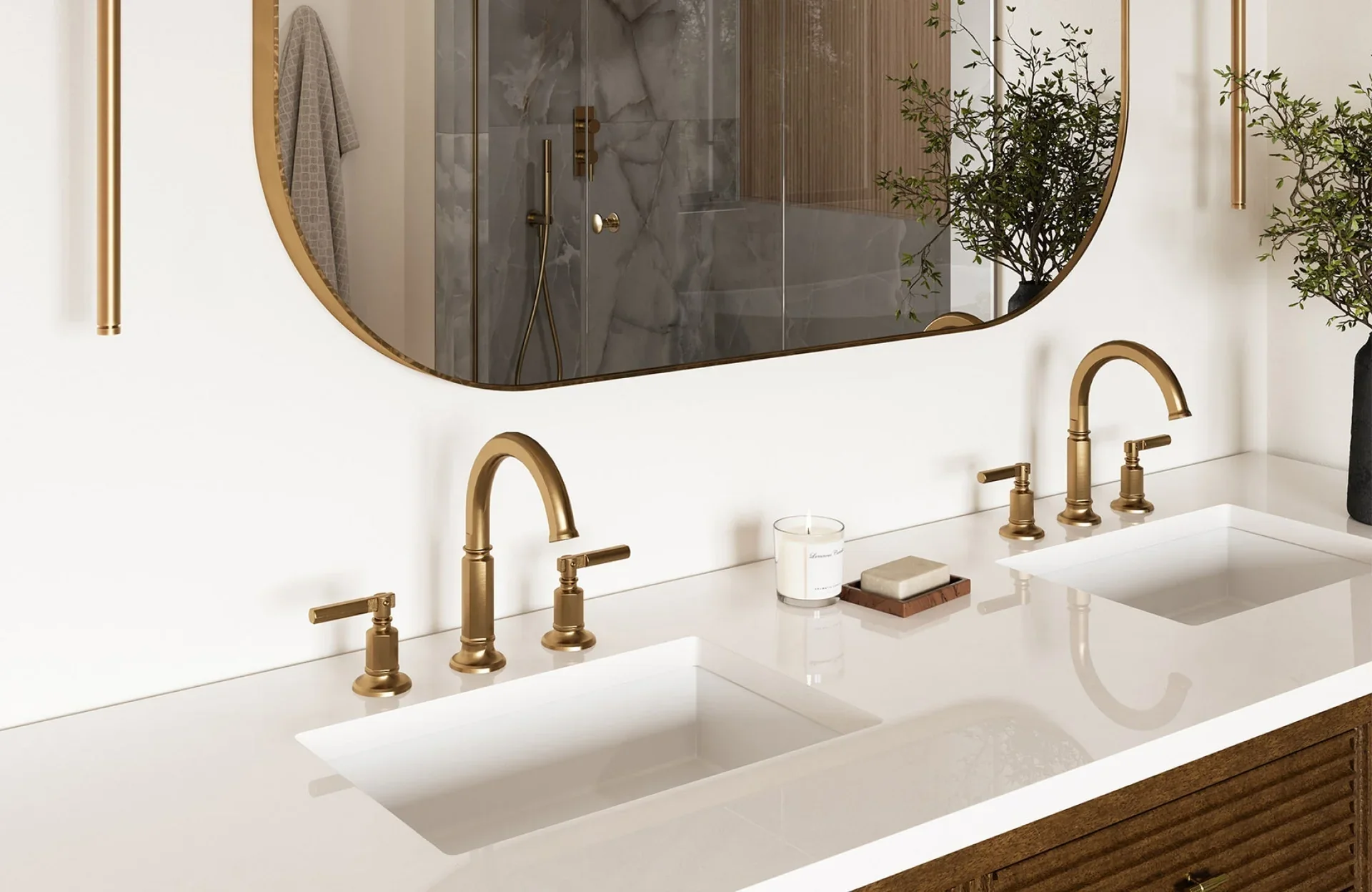
Trends come and go — but bathrooms are long-term investments. What feels modern today can quickly look dated in just a few years.
Instead of chasing bold or overly niche trends, anchor your bathroom in timeless design elements:
Neutral color palettes (warm whites, greiges, soft blues)
Classic materials like marble or stone-look porcelain
Clean-lined vanities and simple hardware
You can still incorporate personality through smaller, replaceable elements like mirrors, lighting, or accessories.
In Toronto’s resale market, buyers consistently gravitate toward bathrooms that feel fresh, clean, and adaptable — not overly customized to one taste.
💡 Sempra Insight: Think of your bathroom like a luxury hotel — elegant, neutral, and universally appealing. That’s what holds value over time.
3. Invest in High-Impact Features
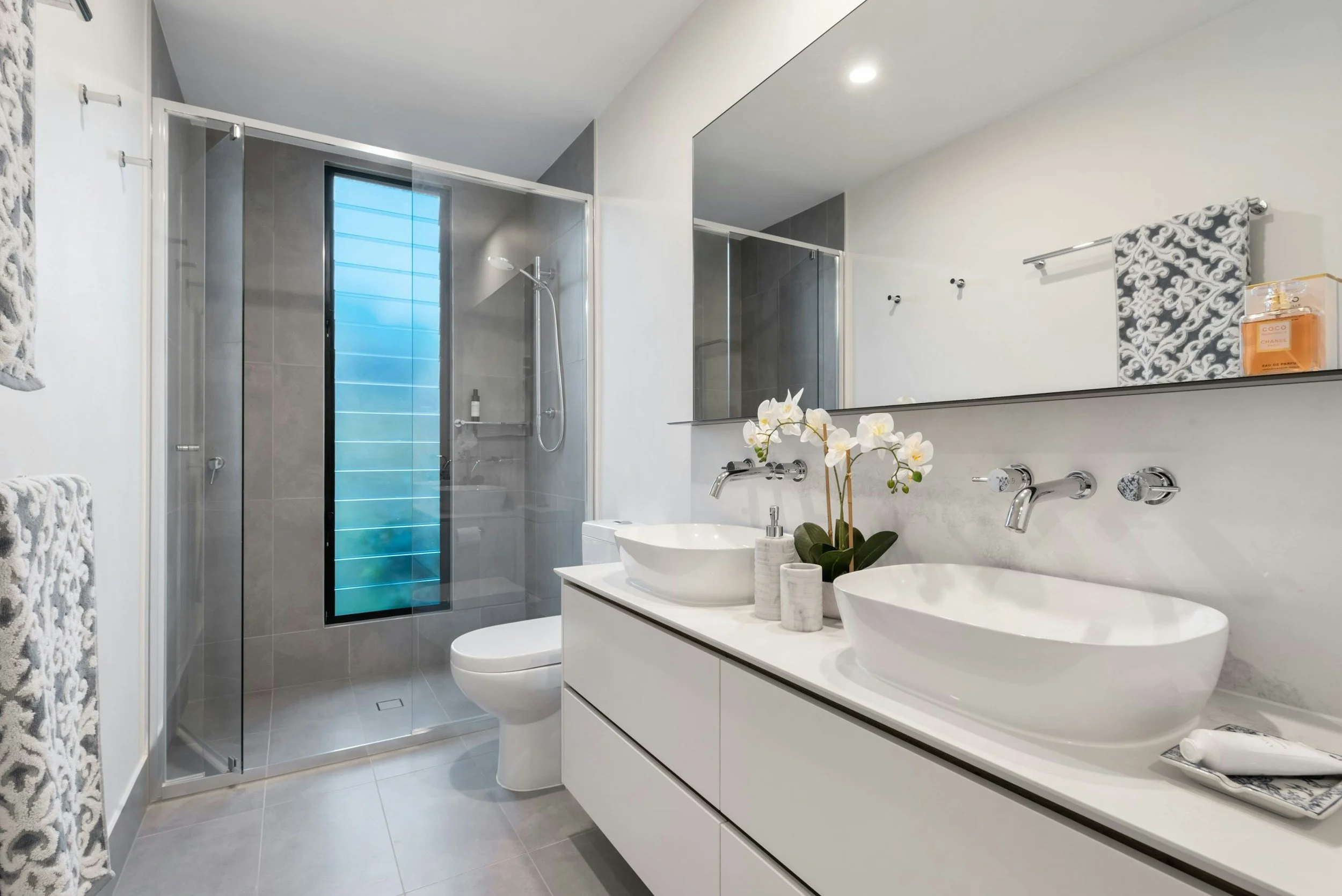
Not every upgrade delivers the same return — so it’s important to know where to invest.
The features that consistently add the most value include:
Walk-in glass showers (frameless for a high-end look)
Floating or modern vanities
Heated flooring (especially valuable in Toronto winters)
Quality tile work with clean grout lines
Upgraded lighting and mirrors
These elements not only improve day-to-day comfort but also signal quality to potential buyers.
Avoid overspending on hidden upgrades that won’t be noticed visually — focus on features that create an immediate impression.
💡 Sempra Insight: If you’re allocating budget, prioritize what the eye sees first — shower, vanity, and lighting. These define 90% of the perceived value.
4. Maximize Lighting and Brightness
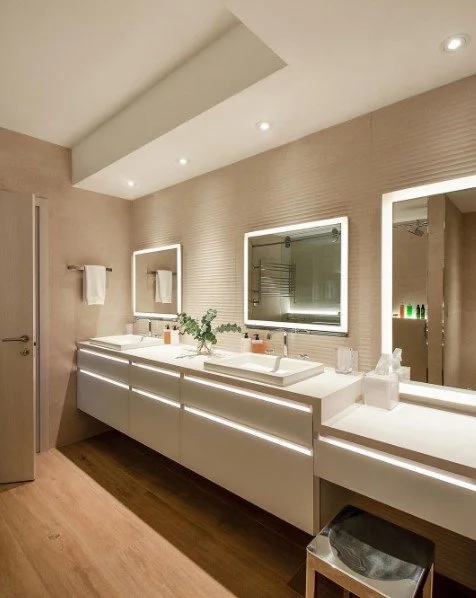
Lighting can make or break a bathroom. Even the most expensive materials will fall flat in a dim or poorly lit space.
Aim for layered lighting:
Recessed ceiling lights for overall brightness
Wall sconces or mirror lighting for functionality
Accent lighting for ambiance
In many Toronto homes, natural light is limited — so artificial lighting needs to do the heavy lifting. Choose warm, soft white bulbs (around 3000K) to create a welcoming glow.
Also consider reflective surfaces: large mirrors, glossy tiles, and light paint colors all help bounce light and make the space feel bigger.
💡 Valora Insight: A brighter bathroom always feels cleaner, larger, and more luxurious — even if the square footage hasn’t changed.
5. Focus on Storage That Feels Invisible
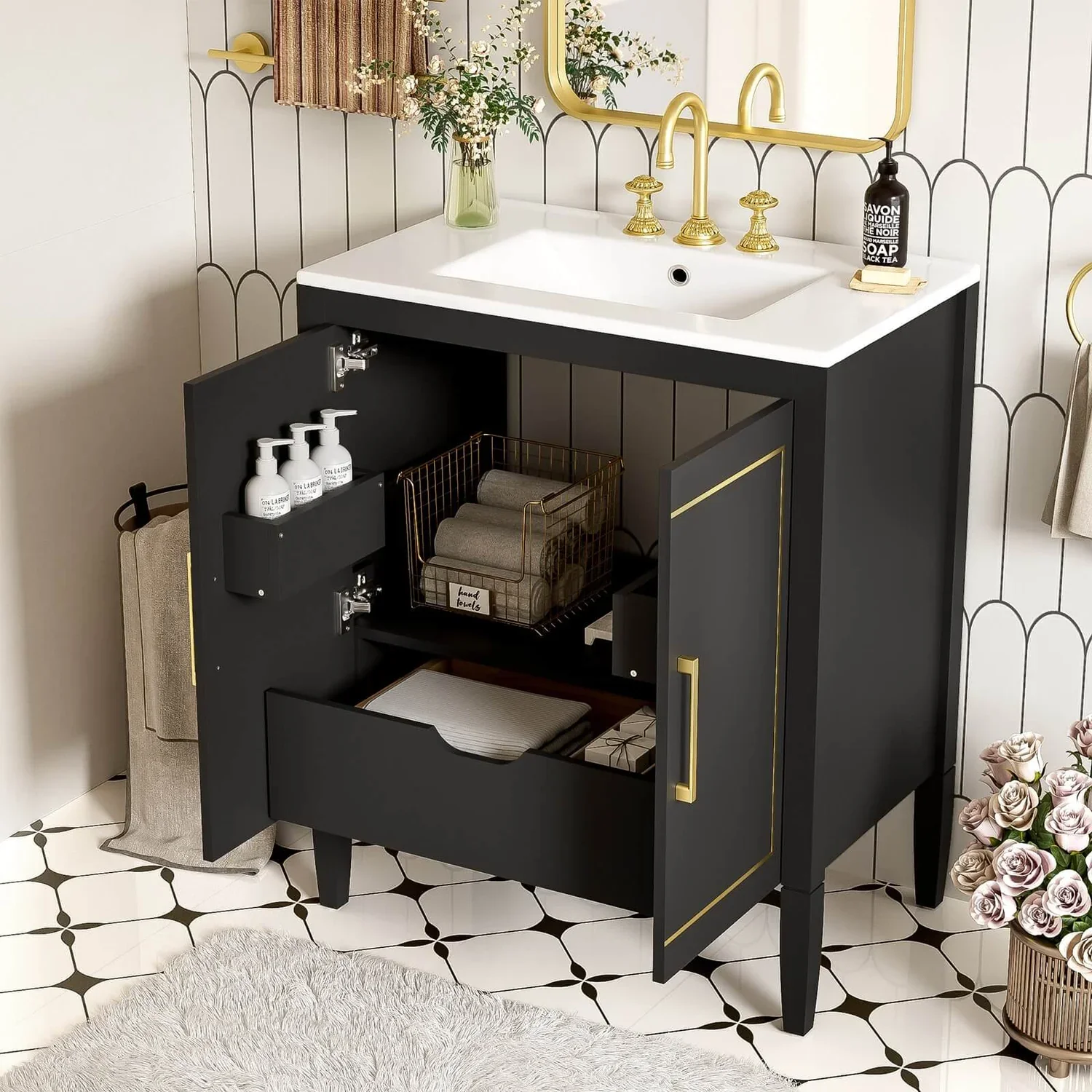
Clutter is the fastest way to devalue a bathroom. A well-designed space should feel clean, open, and effortless — even when it’s fully in use.
The solution is integrated storage:
Vanity drawers with internal organizers
Recessed shower niches
Built-in shelving
Medicine cabinets with hidden storage
The goal is to keep everyday items accessible but out of sight.
This is especially important in smaller Toronto bathrooms, where space is limited and every inch matters.
💡 Sempra Insight: The best storage doesn’t stand out — it disappears into the design. That’s what creates a high-end, magazine-worthy look.
6. Maintain Cohesion with the Rest of the Home
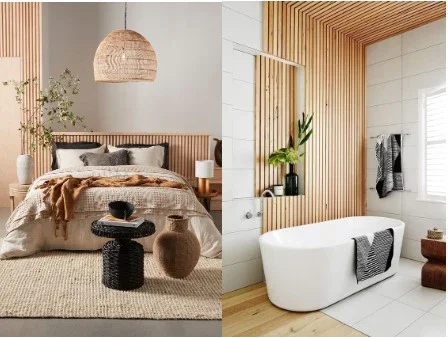
A bathroom shouldn’t feel disconnected from the rest of your house. One of the most overlooked ways to add value is ensuring design continuity.
This means:
Using similar color palettes across rooms
Matching hardware finishes (e.g., black, brushed gold, nickel)
Keeping flooring transitions smooth
When your bathroom feels like a natural extension of your home, it elevates the entire property — especially during resale.
In Toronto’s market, cohesive homes often feel more “complete” and command stronger offers.
💡 Sempra Insight: Consistency creates perceived luxury. When everything flows, your home feels intentionally designed — not pieced together.
